
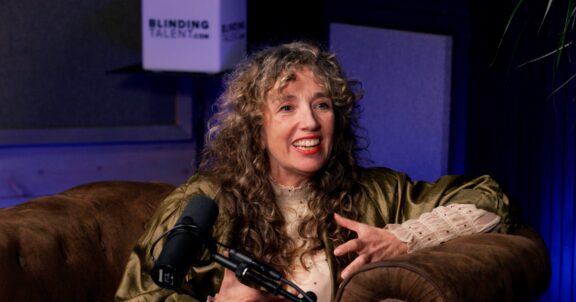

Juliet Russell - Season 3, Episode 1
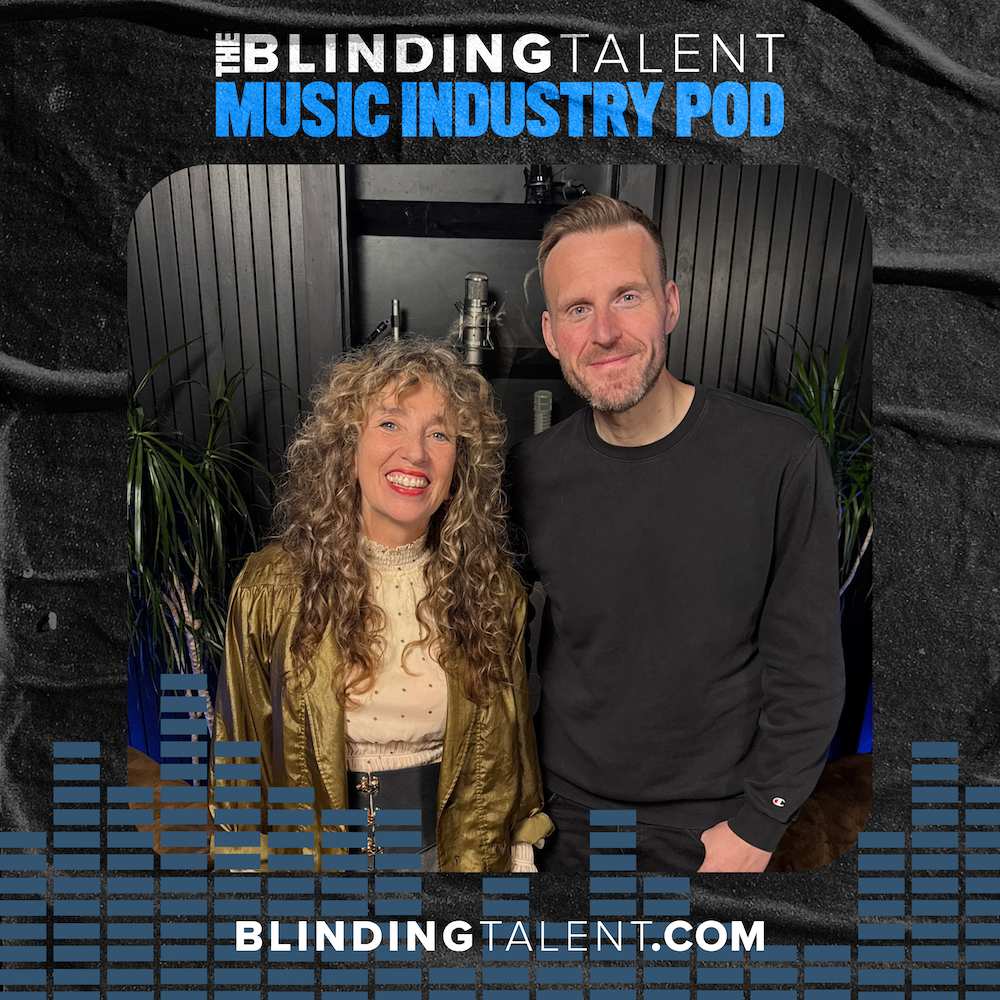
Season 3 · Episode 1
The vocal coach who has worked alongside Jennifer Hudson, Kelly Rowland and Sir Tom Jones on The Voice UK. Vocal coach and arranger on Netflix's Building the Band. Creative Director of Kool & The Gang's global touring show. A performance coach who has studied voice science at master's level and prepares touring artists to sing like athletes. Now the creator of Do Your Sing, a vocal training app born in lockdown. Juliet Russell explains why perfection isn't lovable, whether you can be a great artist with an average voice, how to protect your voice night after night on tour, and whether AI is stealing the next generation of voices.
Juliet Russell is one of the UK's leading vocal performance coaches, with an exceptional track record with award-winning artists and groundbreaking shows. Her roster includes BRIT, Grammy, Emmy, BAFTA, MOBO and MTV Europe award winners, and she prepares artists for the rigours of touring, recording, festival and televised performances. She specialises in artist-centred coaching, a highly collaborative approach that is definitely not one size fits all, and she is passionate about working with emerging artists, partnering with management companies and independents to develop industry-ready performers. She has studied voice science at master's level and makes it relevant, understandable and musical for contemporary pop and alternative pop singers.
On screen, Juliet is a vocal coach and arranger on Netflix's breakout hit Building the Band, and coaches on the BAFTA-winning The Voice UK and Michael McIntyre's Big Show. As Creative Director of Kool & The Gang's global touring show, she translates vocal expertise into large-scale creative direction for Grammy-winning, Rock and Roll Hall of Fame legacy artists. Her choral direction credits include Paloma Faith, Gorillaz, alt-J and Radiohead's Philip Selway, plus projects for the Olympic Torch Project, Greenpeace and Glastonbury Festival. She has performed everywhere from Glastonbury to the Royal Opera House, and created large-scale vocal events for the V&A, Latitude Festival and Sing Up Greenwich, working internationally in India, Belgrade, Poland, Ireland, La Réunion, France and the US.
Juliet is the co-founder of Also festival, a trustee of Change The Tempo, a music and mental health charity, and a mentor and coach to a wide range of artists and performers. She co-founded Sense of Sound with Jennifer John, Saphena Aziz and Perri Alleyne Hughes, which changed the singing and cultural landscape in Liverpool. Her vocal training app, Do Your Sing, makes the techniques used by award-winning singers accessible to every singer, and she shares free weekly voice tips on Instagram and TikTok. Find her at julietrussell.com.
Duration: 58:23 minutes
Season: 3 · Episode 1
Also available: Audio only on Spotify, Apple Podcasts and Acast
Jennifer Hudson, Kelly Rowland, Sir Tom Jones and why the greats trust their instrument
Juliet Russell worked alongside Jennifer Hudson, Sir Tom Jones and Kelly Rowland on The Voice when they were coaches, and she is clear about what sets them apart: they trust their instrument. When you are an expert in something, you can deliver with confidence. If Jennifer Hudson gives you a vocal note, you listen, because she is not speaking from a place of what she reckons, but from deep personal knowledge. Juliet explains how artists find joy in a song they have sung thousands of times: singing is absorbing in itself, and a hit becomes the soundtrack to other people's lives, which renews it for the artist. She also separates a singer from an artist. An artist has a bigger vision, built on self-awareness, taste and values, but there is real artistry in a brilliant backing singer or a wedding singer who creates magic on someone's best day. Looking at Kool & The Gang, Lady Gaga and Tom Jones, she sees the same trait: an "I'm not done" quest to keep digging deeper into the craft.
Talent, creative mindset and why Adele, RAYE and Rosalía stand out
Juliet describes talent as a seed that has had the right environment to grow, which is why she argues that cutting school music funding denies young people the chance to develop it. A creative mindset, she says, can be coached, but passion cannot. Artists tend to have strong intrinsic motivation, and enjoying the work builds the drive to practise into the process. She explains why we recognise Adele from a single note: many of her biggest songs begin close and conversational before a dynamic build to a euphoric peak, with the voice as the diamond and the music as the setting. RAYE and Rosalía combine virtuosic delivery with songwriting and expression, with plenty of colours to paint with and a freedom that still feels creatively coherent. Juliet shares Grayson Perry's view that perfection isn't lovable, because emotion isn't perfect and humans aren't perfect. Asked whether you can be a great artist with an average voice, she says yes, if you have a distinctive voice, strong songs and truth, authenticity, relatability and connection. She also explains how to make your voice more iconic: sing in an emotionally aligned way, lean into the uniqueness already in your speaking voice, and record voice notes to discover what your voice can do.
Vocal athletes: touring stamina, performance nerves and what damages your voice
Mark plays a nervous artist heading out on a 24-date tour, and Juliet answers with practical coaching. Build vocal stamina long before the tour starts. Warm up and cool down properly. Avoid eating too late to reduce acid reflux, travel with a humidifier if you are in air conditioning, and keep hydrated all day. Treat touring singers like elite athletes, because a footballer has a coach, a physio, a psychologist and a substitute, while a singer cannot put their instrument down, speak over loud music or skip the meet-and-greets. If your voice is struggling by night 15, there is no shame in bringing a key down, having a plan B or handing the mic to the audience. On performance nerves, Juliet says music performance anxiety is real, that singers feel it more because they are holding more together, and that reframing nervousness as excitement helps. She also recommends breathing in through the nose with a longer exhale to calm the nervous system. The biggest threats to the voice she names are smoking and vaping, and she explains how alcohol dehydrates and makes you more likely to talk over loud music.
Vocal myths: true or false? And Mark's turn in the hot seat
In the Vocal Myths: True or False? segment, Juliet tackles honey and lemon, drinking water just before going on stage, being born a singer, avoiding dairy, belting, a whisky before the show and singing from your diaphragm. Honey feels soothing, but it goes down the oesophagus, not onto the vocal folds. Hydration takes hours to work, so drink regularly throughout the day. Dairy only matters if it affects you. Belting will not wreck your voice if you build up to it like a gym session. And all breathing is diaphragmatic, so the real goal is balancing breath and voice, not taking a bigger breath. In the Am I a Good Singer? segment, Mark sings a line of Take That's Back for Good for a live masterclass. Juliet shows how leaning into his conversational speaking voice stabilises the sound, introduces the glottal onset, and explains why she would never give him a rating out of ten. She says that his vocal identity is in the richness of his speaking voice, and that he could do voiceovers.
AI, Do Your Sing and why singing is for everyone
Is AI stealing the next generation of voices? Juliet is not sure yet, but she is critical of models trained on artists' work without consent, calling it massive plagiarism at a commercial scale when artists are already being squeezed. She suggests AI could drive demand for live performance, because we are embodied, social beings who want to feel part of a shared experience, and she argues that the authenticity of human expression is why we love music. She then tells the story of Do Your Sing, the vocal training app that grew out of the weekly Tuesday exercises she began sharing during lockdown. It features around 40 exercises across warm-ups, progression work, vocal effects and cool-downs, each with its own tutorial, and took about two years to build. It is available now on iOS, with Android coming soon. The episode ends with a quickfire round, in which Juliet names cool-downs as the thing singers
Topics covered
[01:19]: What Makes Great Singers Like Jennifer Hudson, Tom Jones and Kelly Rowland Different?
[01:30]: Why Top Artists Trust Their Instrument
[11:05]: How Sir Tom Jones Keeps His Art Alive
[03:42]: What Is the Difference Between a Singer and an Artist?
[05:10]: Can You Coach a Creative Mindset?
[11:37]: Why Can We Recognise Adele From a Single Note?
[12:38]: What Makes RAYE and Rosalía the Benchmark Voices of 2026?
[15:42]: Can You Be a Great Artist With an Average Voice?
[21:17]: How Do Singers Protect Their Voice on Tour?
[23:34]: What to Do When You Wake Up With a Croaky Voice Before a Sold-Out Show
[24:39]: How to Manage Performance Anxiety Before Going On Stage
[27:31]: Vocal Myths: True or False?
[27:55]: Does Honey and Lemon Fix Your Voice?
[30:30]: Should Singers Avoid Dairy Before a Gig?
[31:12]: Does Belting Damage Your Voice?
[33:05]: Should You Sing From Your Diaphragm?
[44:15]: Is AI Stealing the Next Generation of Voices?
[48:36]: Will Suno Replace Spotify?
[49:20]: DO YOUR SING: Juliet Russell’s Vocal Coaching App
[54:35]: Quickfire Round: The Most Overrated Vocal Technique and the Artist to Watch
"Emotion isn't perfect. Humans aren't perfect."
Juliet russell
"I think it's more about truth, authenticity, relatability and connection than it is about vocal prowess."
Juliet russell
"Singers are vocal athletes - touring singers definitely are."
Juliet russell
"There's no shame in bringing a key down."
Juliet russell
"[AI] It's massive plagiarism at a commercial scale, when artists are already being squeezed quite heavily."
Juliet russell
The Blinding Talent Music Industry Podcast is hosted by Mark Adams - founder of Blinding Talent and former Director of Music Programming at Channel 4, where he launched the Official YouTube Chart (2015) and Spotify's first ever Streaming Chart (2016). Each episode is an in-depth conversation with a senior music industry figure - equal parts career stories and practical insight for independent artists.
If this episode resonated, Blinding Talent works with independent artists across the UK and internationally - helping them build the kind of profile, audience and industry positioning that makes conversations with venues, agents and brand partners possible. From artist management consultancy with Mark Adams to digital marketing campaigns across Spotify, Meta and YouTube, everything we do is built around getting artists closer to the music industry.
A UK vocal coach who has worked on The Voice UK, The Voice Kids, Michael McIntyre’s Big Show and Netflix’s Building the Band. She also coaches BRIT, Grammy, Emmy and MOBO award winners.
No. Honey goes down the oesophagus, not the trachea, so it never reaches the vocal folds. It can still feel soothing.
Two to four hours to affect the whole body, so Juliet says to drink regularly throughout the day rather than just before you sing.
Juliet says all breathing uses the diaphragm. What singers really need is breath and voice in balance, and the breath should respond to the phrase rather than always being big.
“Push harder” and “breathe deeper”, according to Juliet.
The cool-down.
Juliet Russell’s vocal coaching app. It has about 40 exercises, each with a tutorial, covering warm-ups, workouts, vocal effects and cool-downs.

